
Ein launiges Video zur Bewegung der „Big History“. Die ganz große Relativierung tut in diesem Gräuelscheiß, der vor allem im nahen Osten angerichtet wird, doch ganz gut.
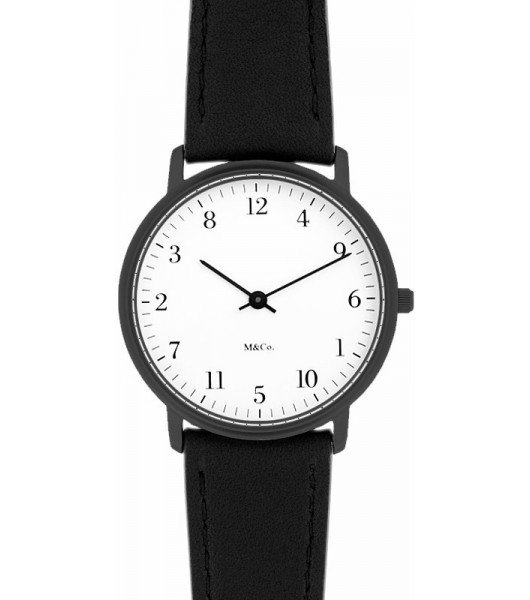
Uhr mit Zufallszahlen
de-alphabetized dictionary
— Sal Randolph (@salrandolph) 2. Oktober 2016
(via Erik auf Twitter)
Früher auf Kulturtechno: John Cage Memorial Random Composer Award
Querflöte für einarmige Kriegsinvaliden (1917)
Immer wieder aktuell, solch eine segensreiche Erfindung :[
Damit dann bei den Klavierkonzerten für die linke Hand von Ravel/Prokofiew/Hindemith mitspielen.


Danke für den Tipp, NN!

Mein Stück „Diminuendo by shame“ online
(in Ausschnitten)
Johannes Kreidler
Diminuendo by shameFilm with live music played by Asamisimasa
(2014)
Premiere 13.5.2017
SWR2 JetztMusik, Donaueschingen


Armin-Köhler-Platz in Donaueschingen
Schöne Geste: Der langjährige Leiter der Donaueschinger Musiktage, der leider zu früh gestorben ist, hat vor den Donauhallen einen Platz bekommen. Armin Köhler war auch mir ein Inspirator, Förderer und Vermittler.

Mit Dank an HT für das Foto.
Neue Musik im Disko-Remix
Vorgestern hatte ich hier den Ferneyhough-Disco-Bonanza, in den Facebook-Kommentaren wurde ich noch auf folgendes Piece von Jesper Andersen alias Gogaîn hingewiesen.
Contains samples from
Brian Ferneyhough: Lemma-Icon-Epigram
Spillet af Lukas Huisman
Youtube
0’30Iannis Xenakis: Jonchaies
Luxemborg Filharmonikerne
Arturo Tamayo (conductor)
Timpani Records
1C1158Manel Ribera Torres: Des Tupies dans l’insinuation
Spillet af Ensemble Martinu
Pladeselskab: Ars Harmonica
AH181
0’40Richard Ayres: No. 37b: IV. Exit
Frankfurt Radio Symphony Orchestra
Roland Kluttig (Conductor)
NMC Recordings
NMC D162Chaya Czernowin
The last leaf
Peter Veale
MusikFabrik Label
2x Minusbolero (ergibt Plus)
Auf SWR2 JetztMusik hat sich Jan Kopp mit meinem Orchesterstück „Minusbolero“ in seiner Sendung über das Hörersubjekt ausführlich und mit einigen interessanten Gedanken dazu auseinandergesetzt. Die Sendung steht 7 Tage online:
———–
Und die MusikTexte füllen wieder mal ihre Editorial-Kloake, diesmal mit Gegeifer von Hans-Peter Jahn, der gegen das Stück ausgiebig wettert.
Snip:
Gemessen am Jubel und am Buhsalvengeschrei bei der Uraufführung dieses innerhalb von etwa vierzehn Minuten immer fetter werdenden orchestralen Gerippes will mir klar werden, dass dieser Komponist mit Kalkül ausschließlich an der Wirkung seines Provokations-Erfolgs interessiert ist (auf künstlerisch legitimierter Ebene ein identisches Phänomen, wie es in den USA auf faszinierende und amüsante Weise präsidial zelebriert wird). Konzept hin oder her, das Monster „Konzeptualismus“ her oder hin, Kreidlers Leistung besteht bei diesem Stück in einer hybrisch selbstverantworteten Auslöschung konstitutioneller Bestandteile der Komposition eines Kollegen einer anderen Zeit (ähnlich der Leistung jenes gewiss gewissenhaften Ehemannes, der der Überzeugung war, dass zwei Beine und zwei Arme seiner Ehefrau zu viel des Guten sind und der jeweils eine der beiden Extremitäten entfernen ließ; mit dem nicht vorauskalkulierbaren Nebeneffekt, dass die Ehefrau diese Meuchelei nicht überlebte).
[…]
Die kompositorische Vollkommenheit dieser Partitur (in Klangfarbe/Melodie/zeitlicher Dichte/Dramaturgie) umzusetzen, wird durch den Zweitmeister Kreidler per Dekret und Diktum dem Orchester untersagt. Die Aufgabenstellung des Vernichters besteht darin, den Stimmträgern der Melodie „Schweigen“ aufzuerlegen. Dass die Komposition im vorletzten Takt die rhythmische Textur des letzten Viertels auslässt, ist ein komödiantischer Geck, ist die Erfüllung eines Traumes des kleinen Johanneskindes: Endlich einmal in ein Kunstwerk eingreifen dürfen und es sich so zu illuminieren, wie es millionenfach in den Infantilitätszonen weltweit täglich geschieht, in den Wutbrütern der Gesellschaft, die Träume und Falschrealitäten auf Kosten von Wirklichkeiten konstruieren.
Mittlerweile glaube ich, das MusikTexte-IdiotiralEditorial versteht sich als eine Art Pornoheft, mit dem Unterschied, dass sich bei einem richtigen Porno die Akteure nicht peinlich entblößen.
Brian Ferneyhough’s Disco Bonanza
Da wurde jemand wohl inspiriert von meinem Stück Ferneyhough 2nd string quartet rendered with Band-in-a-Box.
Danke für den Tipp, Christian. (Verbirgst du dich nicht selber hinter dem Pseudonym? ;) )