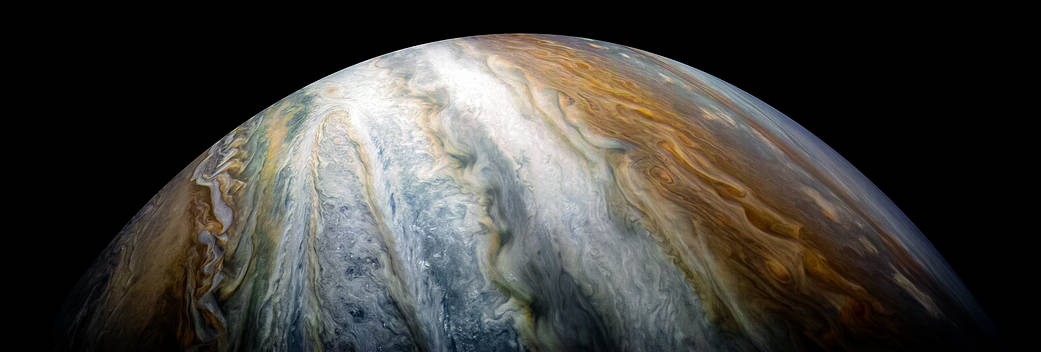
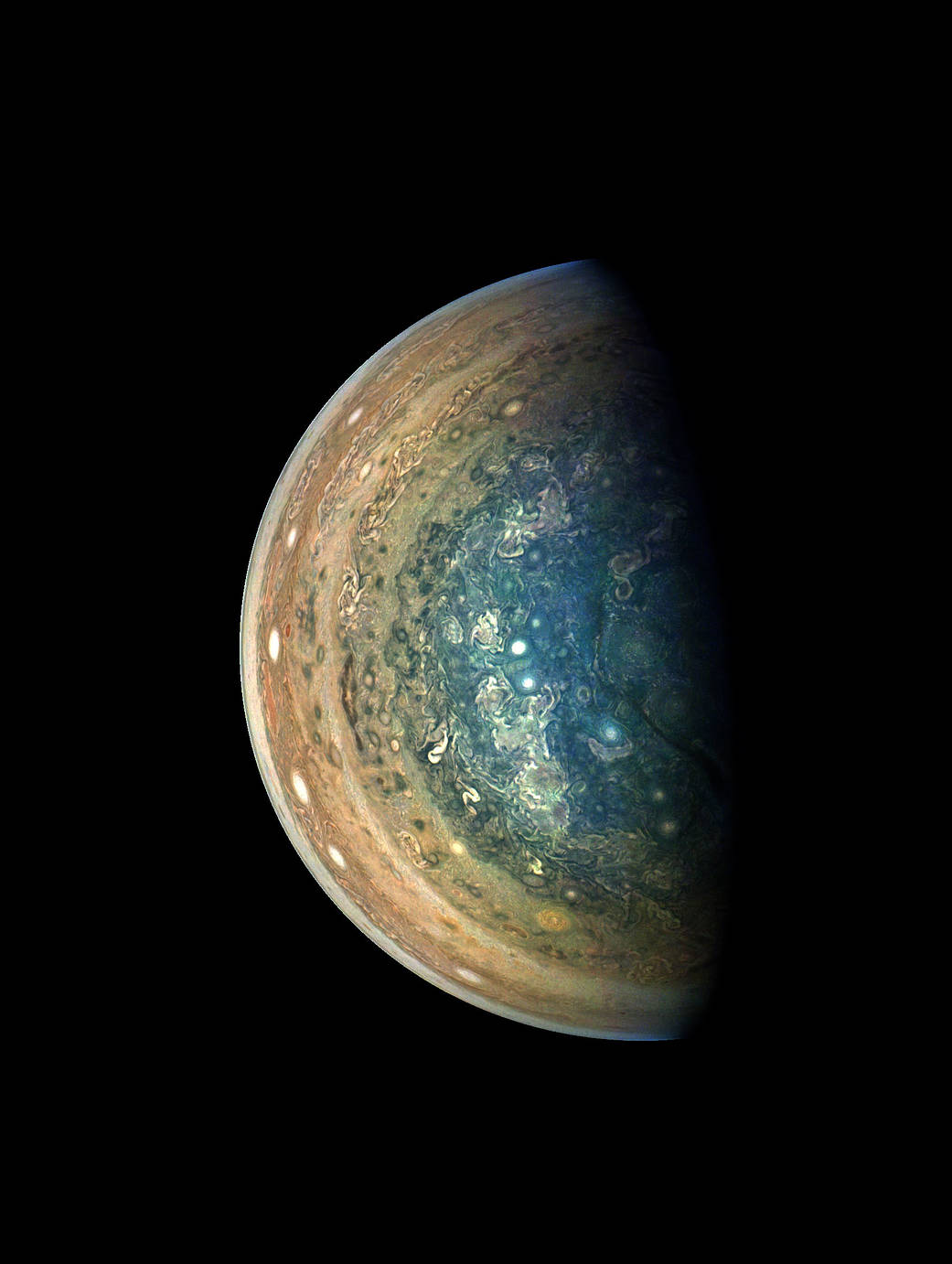
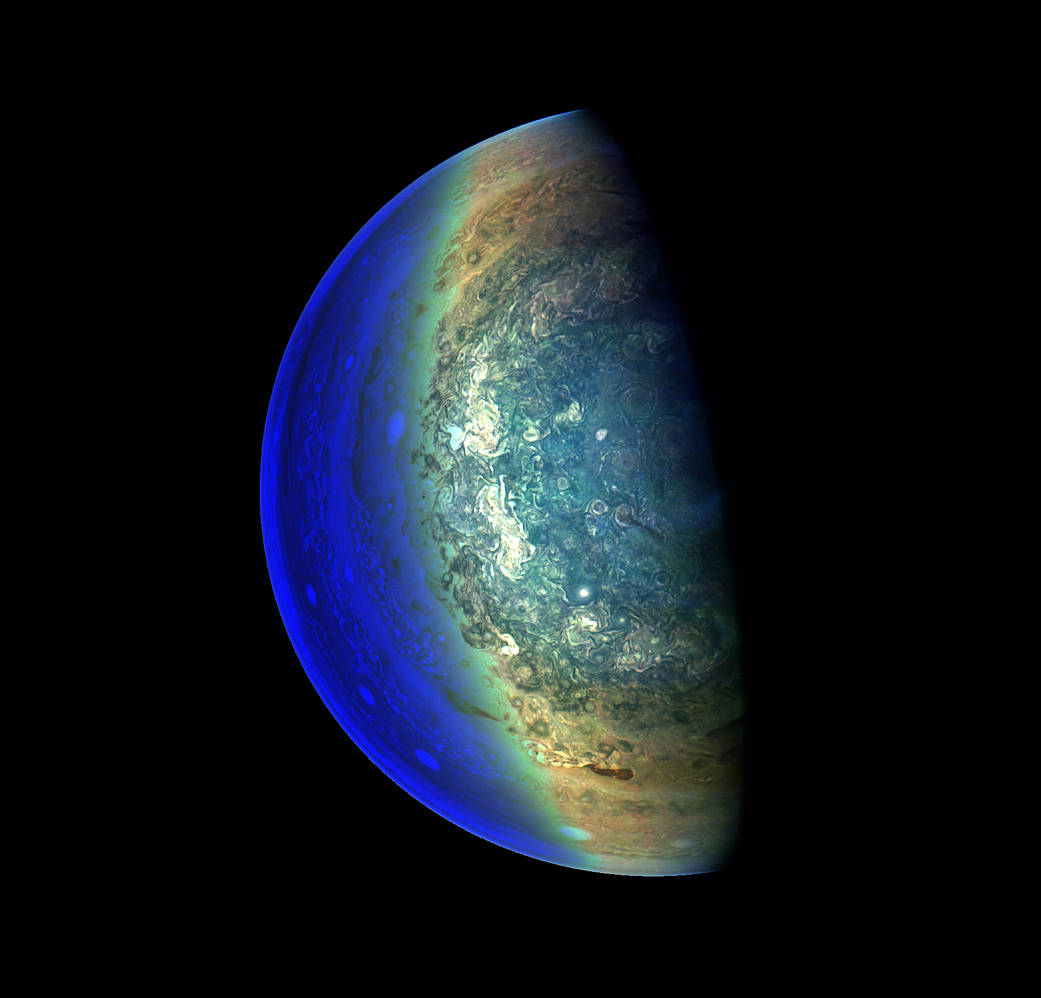
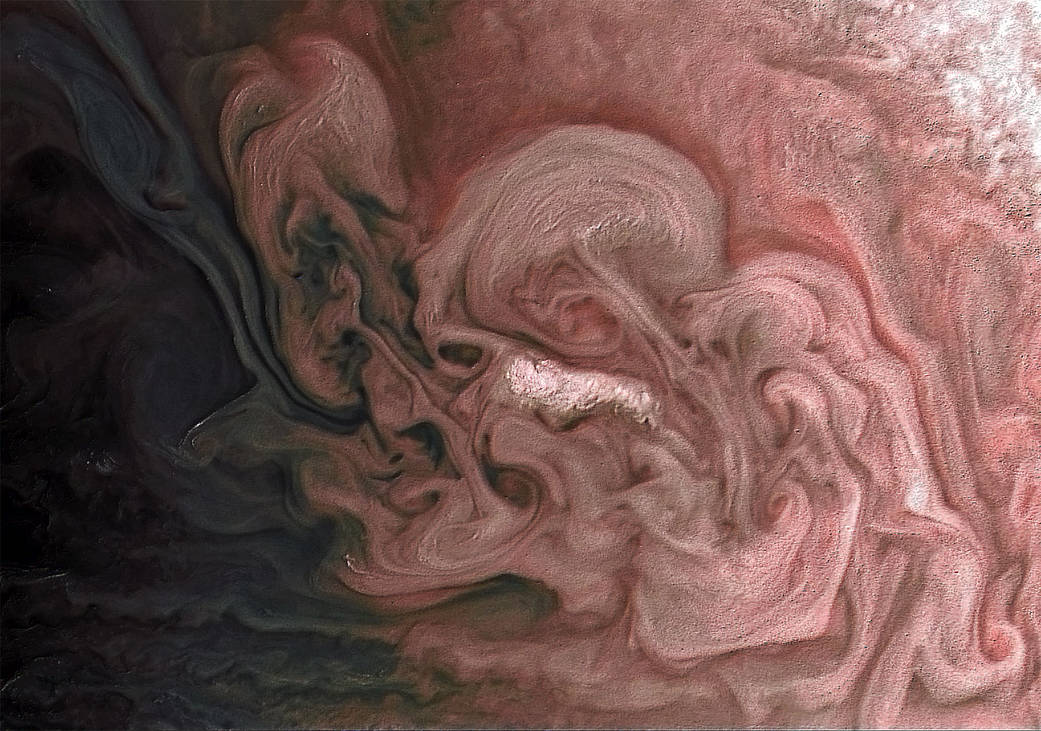

(via)

hat mittlerweile einen eigenen Twitteraccount – der Grand Canyon unseres Sonnensystems.
A bit of #Jupiter pic.twitter.com/WmixnyTNva
— Bits of Jupiter (@bitsofjupiter) February 27, 2020
— Seán Doran (@_TheSeaning) February 24, 2020
A bit of #Jupiter pic.twitter.com/IL9pD3DDFM
— Bits of Jupiter (@bitsofjupiter) February 11, 2020
A bit of #Jupiter pic.twitter.com/vq0lQEaMaW
— Bits of Jupiter (@bitsofjupiter) February 6, 2020
A bit of #Jupiter pic.twitter.com/crvGDqT9cA
— Bits of Jupiter (@bitsofjupiter) February 1, 2020
A bit of #Jupiter pic.twitter.com/sAWQijg9OV
— Bits of Jupiter (@bitsofjupiter) January 27, 2020
A bit of #Jupiter pic.twitter.com/CCFE3Q7yKJ
— Bits of Jupiter (@bitsofjupiter) January 20, 2020
A bit of #Jupiter pic.twitter.com/LOnBBuZpxD
— Bits of Jupiter (@bitsofjupiter) January 20, 2020
A bit of #Jupiter pic.twitter.com/WF38mZNzGN
— Bits of Jupiter (@bitsofjupiter) January 18, 2020
A bit of #Jupiter pic.twitter.com/DaPId3bJHw
— Bits of Jupiter (@bitsofjupiter) January 17, 2020
A bit of #Jupiter pic.twitter.com/8n6efWAiV3
— Bits of Jupiter (@bitsofjupiter) January 17, 2020
A bit of #Jupiter pic.twitter.com/h7Xtc4HnoG
— Bits of Jupiter (@bitsofjupiter) January 2, 2020
this is the complete genome of Covid-19 as a soundpoem.
(Danke für den Tipp, Aaron!)
Und noch eine auditive Darstellung der Ausbreitung.
Data Sonification regarding confirmed cases of Coronavirus (COVID-19) spread around the world. The project was implemented using [Pure Data] for extracting and organizing the data from GitHub csv files, sending midi information to Logic Pro.
This project was developed for the Sonification and Sound Design subject of the Music, Communication, and Technology (MCT) master’s [cross-campus] program of the Norwegian University of Science and Technology (NTNU) and the University of Oslo (UiO).
Hatte unlängst schon den Track, der aus der Gen-Sequenz des Virus gemacht wurde, hier nun eine Sonifikation der Ausbreitung – freilich nicht mehr auf dem neuesten Stand.
My goal with this video is to depict the spread of COVID-19 more viscerally. With sound, it’s easier to discern what a number like 3,000+ deaths actually means. It’s not just a four-digit number—it’s 3,000 families affected, 3,000 stories ended too soon, 3,000 universes vanished.
EDIT: The percentage listed underneath the red death count for each of the top five countries represents what percentage of the worlds active cases come specifically from that country. Sorry I didn’t make that clear… it was last minute addition I added just hours ago. :(
und das making of:
#Natur
Dieser leuchtende Nebel ähnelt ein wenig einer Krabbe – was ihm den Namen Südlicher Krebsnebel eintrug. In Wirklichkeit jedoch steckt hinter diesem Gebilde das Tauziehen zweier Sterne: Ein Roter Riese wirft nach und nach seine äußeren Hüllen ab und schleudert sie als leuchtende Gaswolken ins All. Diese werden von der Schwerkraft seines Partners, eines Weißer Zwergs, und durch Kollisionen mit dem interstellaren Medium zu dieser krabbenähnlichen Struktur verformt.
(…)
Das Weltraumteleskop Hubble erstellte diese Komposit-Aufnahme im März 2019. Weil verschiedenen Wellenlänge des Lichts mit unterschiedlichen Kanälen aufgezeichnet wurden, lassen sich die Gase anhand ihrer Farbe unterschieden: Rot kennzeichnet Schwefel, Orange markiert Stickstoff, Grün leuchtet Wasserstoff und Blau erscheint in dieser Aufnahme der Sauerstoff.
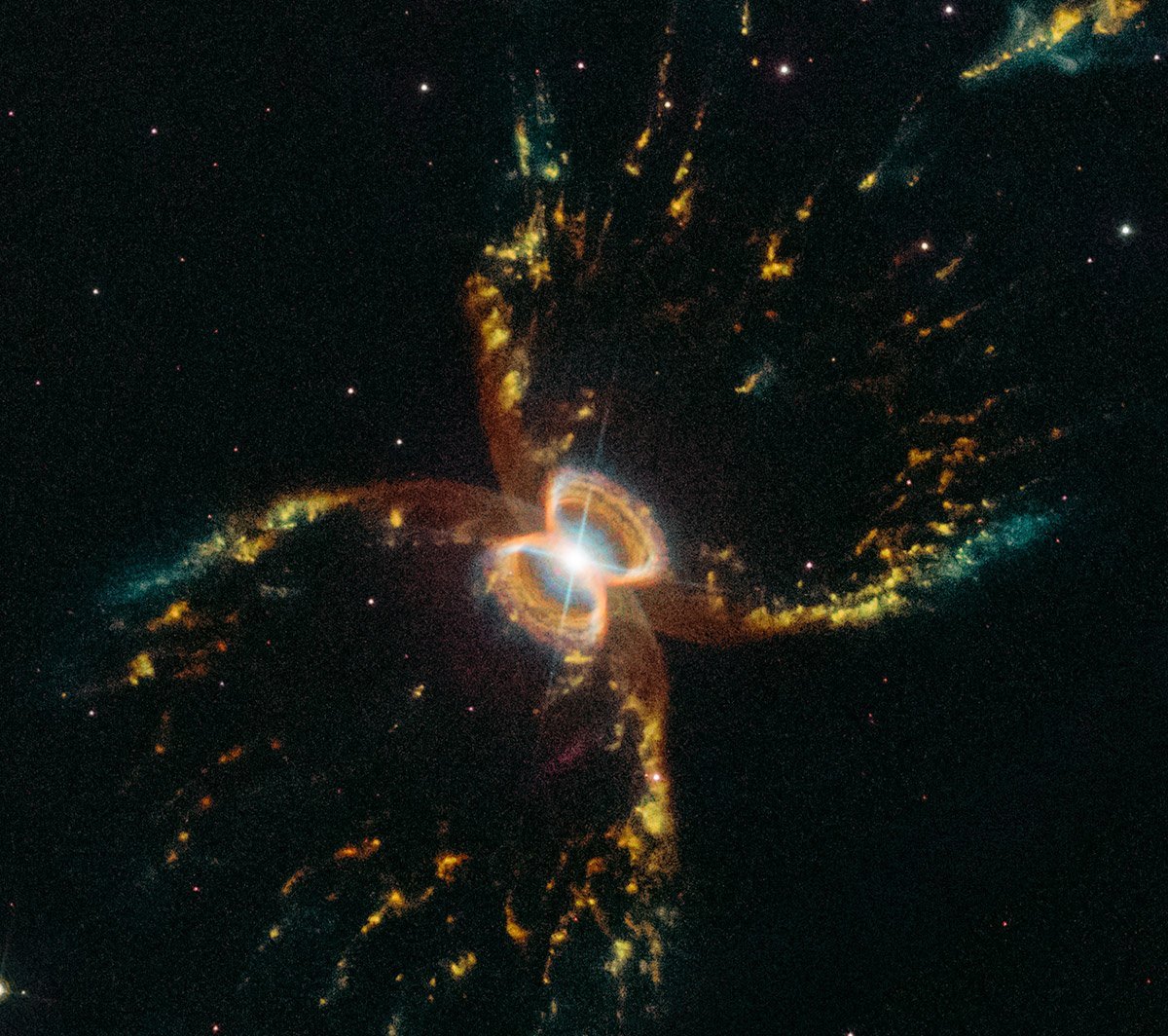
(via scinexx)
