Saudi-Arabien
Tiramisu- Vibes https://t.co/13davG5urM
— Micky Beisenherz (@MickyBeisenherz) January 2, 2022

Saudi-Arabien
Tiramisu- Vibes https://t.co/13davG5urM
— Micky Beisenherz (@MickyBeisenherz) January 2, 2022
#Natur
Botanical Rhythms : A Field Guide to Plant Music (Sounding Out!) : https://t.co/HoOR4c1S5K pic.twitter.com/sbFNSGyVJL
— reaktorplayer (@reaktorplayer) November 23, 2021
#Natur
Under a mushroom cap. Thought everyone would enjoy this. pic.twitter.com/0zYVNjQdT4
— Alberto (@Alberto66305131) October 19, 2021
(via kfm)
#Natur
This is a long zoom of the Andromeda Galaxy, showing more than 100 million stars, in just this one galaxy.
The light of 100 million suns, shine on us from just this tiny point in the universe.pic.twitter.com/it0n54jzEA
— Brian Roemmele (@BrianRoemmele) August 30, 2021
siehe dazu auch:
Olberssches Paradoxon
Planetary scientist Dr. James O’Donoghue put together a fun video that compares how fast a ball drops onto 12 different surfaces in our solar system. For example, dropping a ball from .6 miles high and assuming no air resistance, it would take only 2.7 seconds to land on the Sun, 14.3 seconds to land on Earth, 15 seconds for Uranus, and a whopping 84.3 seconds for Ceres (a fine speed for us less nimble athletes).
(via BoingBoing)
#Natur
oder: wohin sich künstlerische Arbeit transformiert.
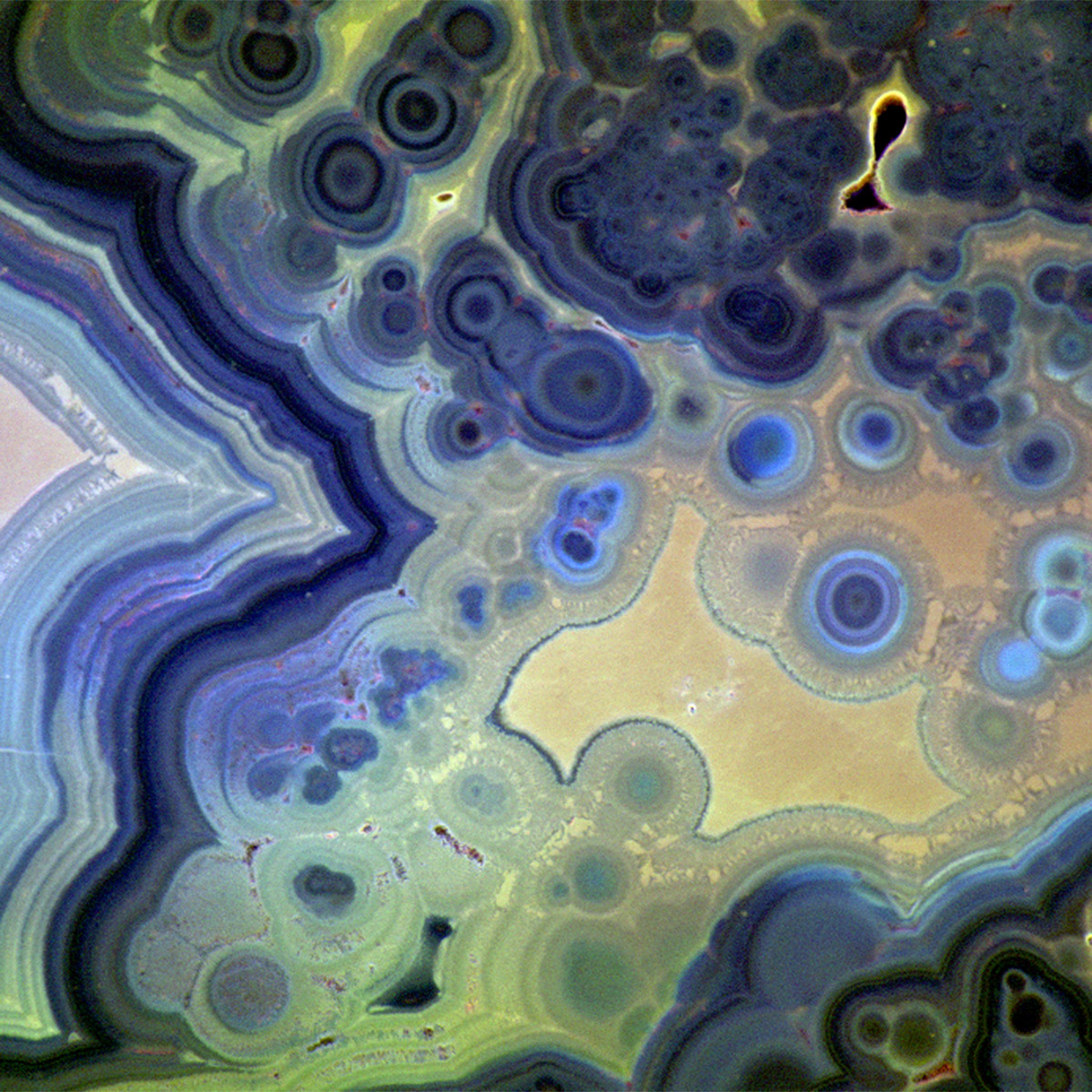
Nierensteine bilden sich, wenn Bestandteile des Urins auskristallisieren. Doch was bei diesem Prozess im Einzelnen geschieht, verrät unter anderem diese Mikroskopaufnahme. Denn sie zeigt einige der kristallinen Mikrokügelchen, mit denen alles beginnt. Sie durchlaufen mehrere Zyklen von Lösung und Kristallisation, bis sie schließlich zu größeren Komplexen verschmelzen, wie US-Forscher herausgefunden haben.