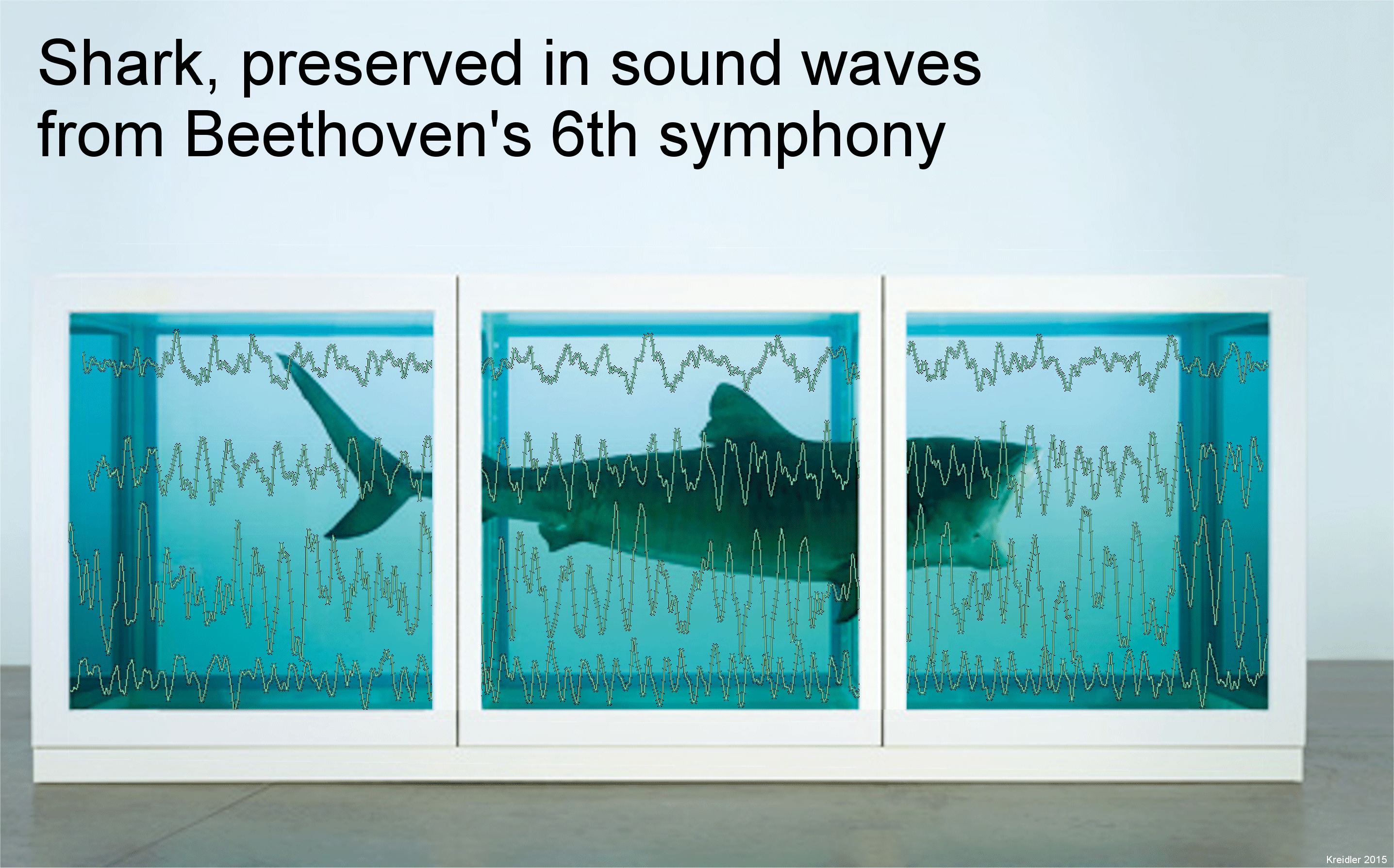
In meinem Text „Elitär vs. Populär“ hatte ich das Beispiel einer Bäckereitüte erwähnt, auf der Mondriansche Muster zu sehen waren.
Hier noch ein Beispiel.

(via FB)

In meinem Text „Elitär vs. Populär“ hatte ich das Beispiel einer Bäckereitüte erwähnt, auf der Mondriansche Muster zu sehen waren.
Hier noch ein Beispiel.
(via FB)

In der aktuellen Ausgabe der MusikTexte steht Gordon Kampes Analyse meines Stückes „Der ‚Weg der Verzweiflung‘ (Hegel) ist der chromatische“. (Siehe auch Stefan Hetzels Bemerkungen zu dem Stück.)
Außerdem finden sich in dem Heft auch lesenswerte Texte u.a. von Malte Giesen, Ole Hübner und Harald Münz.
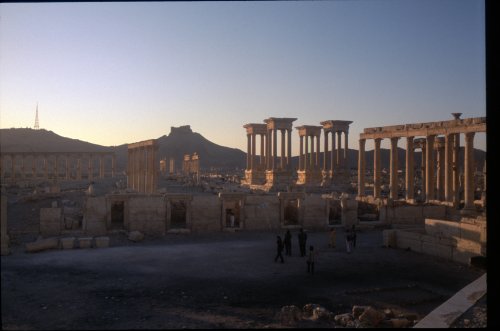
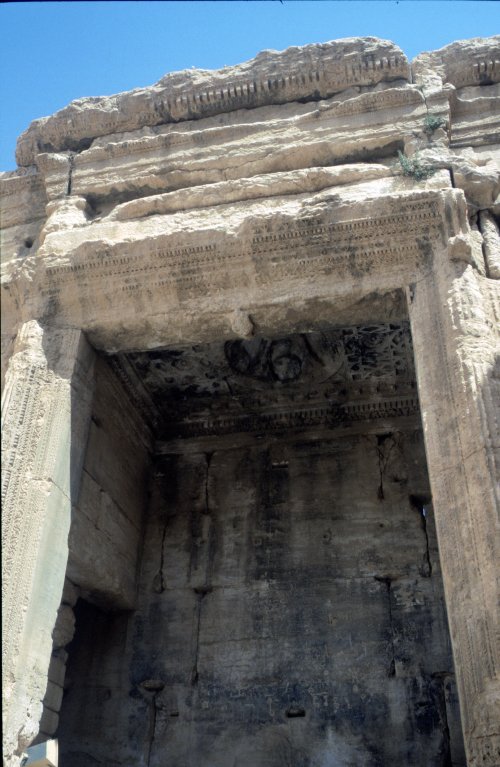
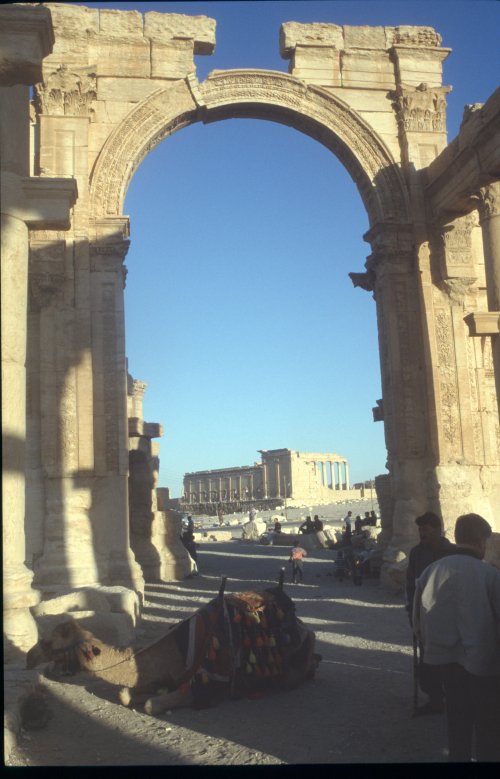
Mitte der Nullerjahre besuchten meine Eltern Syrien. Meine Mutter sagt, es war einer ihrer schönsten Urlaube. Das ist eine Auswahl an Fotos (Dia-Scans, hier runterskaliert), die mein Vater von den Ruinen der Wüstenstadt Palmyra gemacht hat.
Gestern kam die Meldung, dass der IS nach den Grabtürmen, den Tempeln Baal und Schamin nun auch den Triumphbogen (letztes Foto unten) gesprengt hat.








Und hier noch ein Video für die Pegida-Nazis.
Komponistinnen und Instrumentalisten und wahrscheinlich Künstlerinnen aller Sparten kennen das: Es müssen Förderanträge geschrieben werden.
Eigentlich könnte es ganz simpel sein. Komponistin Y schreibt:
„Ich habe eine künstlerische Vision, dafür brauche ich XXXXX €, anhand bisheriger Arbeiten sehen Sie, was für ein toller Hecht ich bin, bitte vertrauen Sie mir also und geben mir die Kohle, ich gebe mein Bestes, dass dann wieder was tolles draus wird.“
Ist das arrogant, selbstbezogen? Nein, das ist die Wahrheit künstlerischer Produktion. Und darum soll es doch letztlich gehen, dass da was tolles rauskommt am Ende.
Sowieso: Es fehlen die künstlerischen Visionen. Und daran sind nicht unbedingt die Künstlerinnen schuld –
Die Wahrheit der Antragsstellerei ist wiederum eine andere. Da nämlich soll fast immer erst mal ein Konzept des neu zu schreibenden Werks eingereicht werden.
Aber erstens kann nicht jedes noch gar nicht geschriebene Musikstück schon oder überhaupt jemals auf ein Konzept heruntergebrochen werden (es ist ja nun beileibe und Gottseidank nicht so, anders als Rainer Nonnenmann behauptet, dass jetzt überall Konzeptmusik am Start wäre), zweitens selbst wenn, dann ist bereits das Entwickeln eines Konzepts harte Arbeit (ich weiß, wovon ich spreche), die macht man vielleicht mal, aber durchaus auch nicht ohne Finanzierung, drittens liegt es in der Natur des künstlerischen Prozesses, dass sich im Lauf der Arbeit das Werk womöglich diametral ändert, und darum fragt (viertens) später auch eh keiner, ob jenes Ursprungskonzept denn auch wirklich 1:1 umgesetzt wurde; ich hab mich noch nie an ein Konzept gehalten, das anfänglich für einen Antrag geschrieben wurde. Tatsächlich läuft es so: Man schreibt für den Antrag irgendein Konzept was sich catchy anhört, Monate später kommt günstigenfalls die Zusage und noch viel später fängt man mit der eigentlichen Arbeit an und dann hat man ganz andere Ideen, und die realisiert man dann. Fünftens: Kühne Konzepte erweisen sich erst in der Realisation, auf dem Papier kommt man damit gar nicht durch – ich halte es für äußerst unwahrscheinlich, dass ich für product placements oder Minusbolero irgendwo per Antrag reüssiert hätte. Sowas geht nur mit künstlerischem Blanko-Kredit.
Darum wäre es viel sinnvoller, nein, das einzig Sinnvolle, wenn man als Referenz bisherige Arbeiten einreicht (wird ja meistens auch verlangt), und allein auf deren Basis, anhand dieser Vorarbeit entscheidet die Jury über die Vergabe. In der Regel schafft jemand, der schon mal gute Arbeit geleistet hat auch wieder eine gute Arbeit. Versaut sie es dann, wird es halt in Zukunft schwerer für sie, und einmalig ist es schade um die Mittel. Aber auch ein vorab präsentiertes Konzept muss sich ja erst in der Realisierung bewähren.
Der einzig problematische Punkt daran ist, dass eine bestimmte Fördersumme im Antrag taxiert werden muss, das heißt, man muss zumindest schon mal wissen, was die wie-auch-immer-sich-realisierende Vision wohl kosten wird. Hier ist auch etwas logistische ‚Visionsfähgkeit‘ und Anbindung an einen konkreten materiellen Rahmen geboten. Das ist aber freilich möglich mit gewisser Erfahrung. Darüber hinaus jedenfalls sollte ein Verfahren des Vertrauens installiert werden, statt dass diese ärgerliche, absurde Vorab-Konzepterei waltet, die praxisfern, unnötig und innovationsfeindlich ist.
Mir geht das schon länger durch den Kopf, habe auch in meiner Lecture in Darmstadt 2012 kurz darauf hingewiesen, dass der Neue Konzeptualismus durchaus an solchen Institutionsstrukturen – at its worst – ersichtlich wird (Video, finde jetzt leider nicht die genaue Stelle); jetzt komm ich mal expressis verbis darauf, weil Martin Grütter das Ganze sehr treffend beschrieben hat – alles was ich hier schreibe sind nur meine 2 Cent hierzu:
http://www.mozartzuvielenoten.de/2015/09/konzepte-sind-mist/