Die alten Griechen sagten ja noch zu >hohen< Tönen "scharfe" Töne.
(via Elsha)

Geht heute mit der Post raus. Schreibt ihm auch – die Lage ist ernst. (Mehr dazu)
+++++++++++++++++
Herrn
Dr. Klaus Lederer
Senator für Kultur und Europa
Senatsverwaltung für Kultur und Europa, Abteilung Kultur
Brunnenstr. 188-190
10119 Berlin
Klangwerkstatt Berlin – Offener Brief
Sehr geehrter Herr Dr. Lederer,
mit Bestürzung habe ich davon erfahren, dass das Festival Klangwerkstatt Berlin, das seit 28 Jahren jährlich eine einzigartige kulturelle Leistung Berlins darstellt, dieses Jahr mangels finanzieller Förderung nicht stattfinden kann. Kein mir bekanntes Festival für Neue Musik betreibt – deutschlandweit – in einer solchen Intensität Nachwuchsförderung für alle Formen des experimentellen Musizierens und Komponierens, wie es ebenso diese vereint mit erstklassigen Aufführungen und wichtigen Kompositionsaufträgen an die bedeutendsten Komponistin*innen Berlins, was im Bereich der Neuen Musik bekanntlich nicht weniger heißt als: die bedeutendsten Komponist*innen der Welt.
Um nur ein Beispiel zu geben aus vermutlich über 500 Konzerten, die die Klangwerkstatt seit 1989 auf die Beine gestellt hat: 2010 durfte ich die Erfahrung als Zuhörer machen, einem Konzert von Kindern und Jugendlichen aus Marzahn-Hellersdorf beizuwohnen, in dem diese mit Autohupen eine spektakuläre ›Symphonie‹ von Moritz Eggert darboten. Nicht nur war es ein großer Spaß für alle Beteiligten, zugleich öffnete es allen die Ohren für die Feinheiten, die – ich habe es auch erst geglaubt, nachdem ich es gehört habe – eine Autophupe hat; sie kann nämlich durchaus auch leise und zart klingen!
Schauen Sie doch mal auf der Website www.klangwerkstatt-berlin.de ins Archiv, was hier 28 Jahre lang mit großem Idealismus und Fleiß für Berlin getan wurde. Unmessbar bleiben darüber hinaus all die Wirkungen, Erinnerungen, Erweiterungen des Fühlens und Denkens, Freude an Klang und seiner gemeinsamen Hervorbringung in allen nur erdenklichen Facetten, die von der Klangwerkstatt ausgingen.
Dass die Klangwerkstatt nun nicht stattfinden kann, zeigt das grundsätzliche Manko, dem das Festival ausgesetzt ist: Von Jahr zu Jahr ist es auf projektbezogene Fördermittel angewiesen; die Klangwerkstatt ist aber kein singuläres Projekt, sondern eine der wichtigsten Institutionen des Berliner Konzertlebens seit 1989. Darum möchte ich Sie dringlich bitten, alle Möglichkeiten zu prüfen, der Klangwerkstatt endlich eine kontinuierliche, langfristige Förderung zu geben, damit dieses traurige Jahr ein absoluter Einzelfall bleibt. Wenn jetzt nicht die bestehende Wo*Manpower und das über mehr als ein Vierteljahrhundert gewachsene Publikum der Klangwerkstatt gesichert wird, bricht etwas weg, was sich schwerlich – wie sollte es auch – wiederherstellen ließe. Berlin wäre um eines seiner wunderbarsten Basiskulturprojekte ärmer. Ich bitte Sie, zu handeln.
Es grüßt so bekümmert wie herzlich
Johannes Kreidler
Film 1
The #film series will be films with musicians, composed like tape pieces, but with visuals; to be shown in concert hall or movie theater. Presentations will be limited to venue events – except these excerpts and some stills/gifs, it won’t go online.
Film 1 with Decoder Ensemble will be premiered on 1st/2nd september in Hamburg, Big Data Weekend, duration 17′.
Film 2 with Ensemble LUX:NM will be premiered at Ultraschall Festival Berlin, january 2018.
(to be continued)


Damit geht Kulturtechno in die Sommerpause bis Mitte September.
Das Wahlvolk wird ihm schon noch die Quittung ausstellen!

(via Tumblr)
Sehr kunstig, sehr radikal, sehr modern.
Ähnelt teilweise meinen neuesten Filmen.
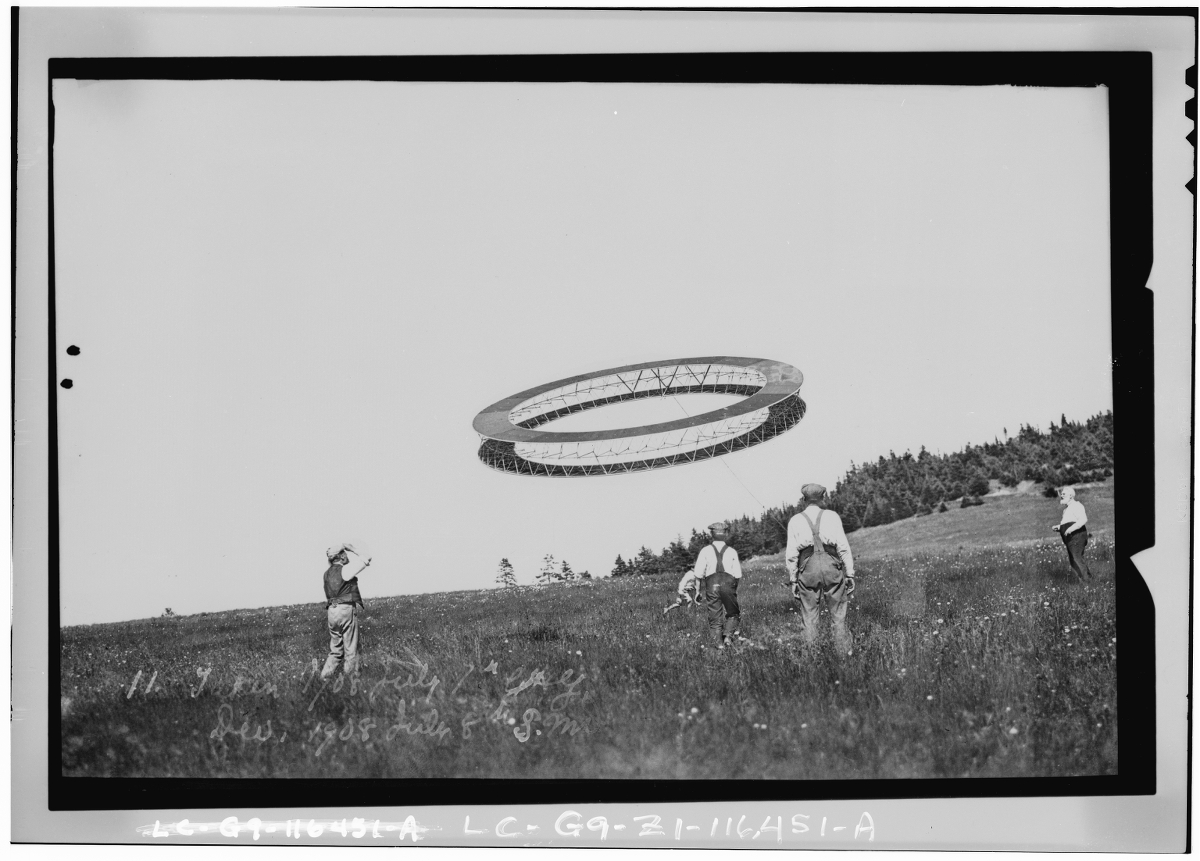
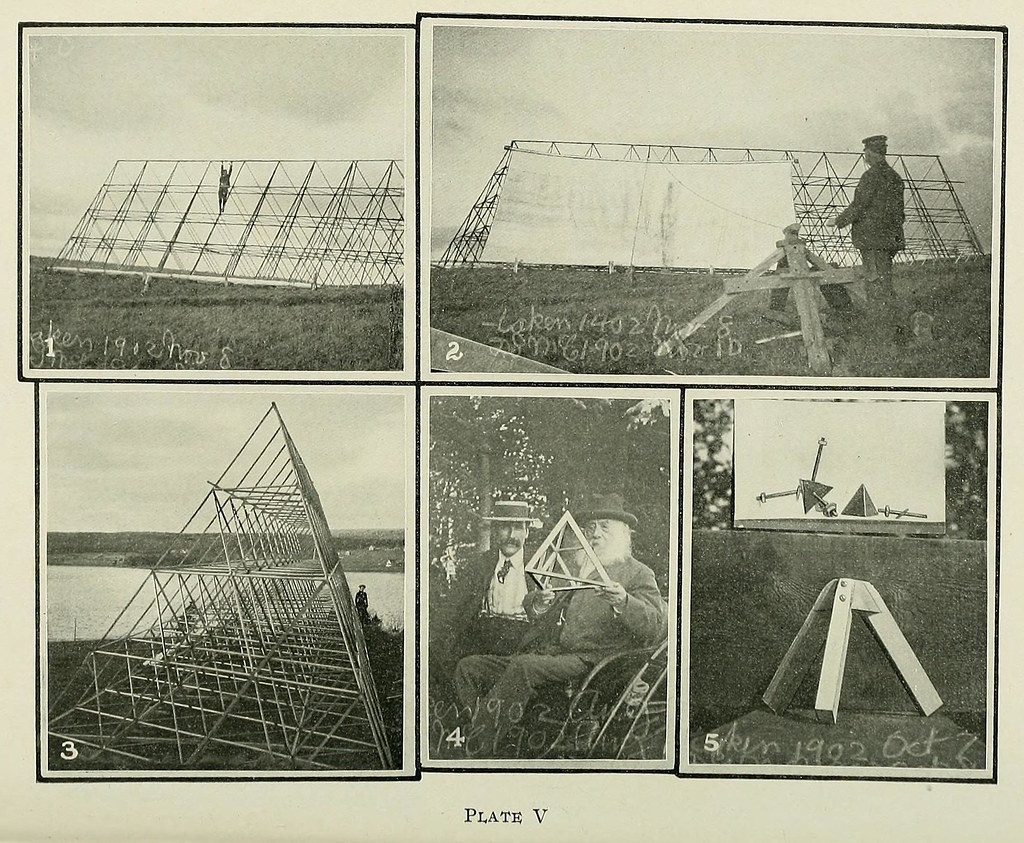
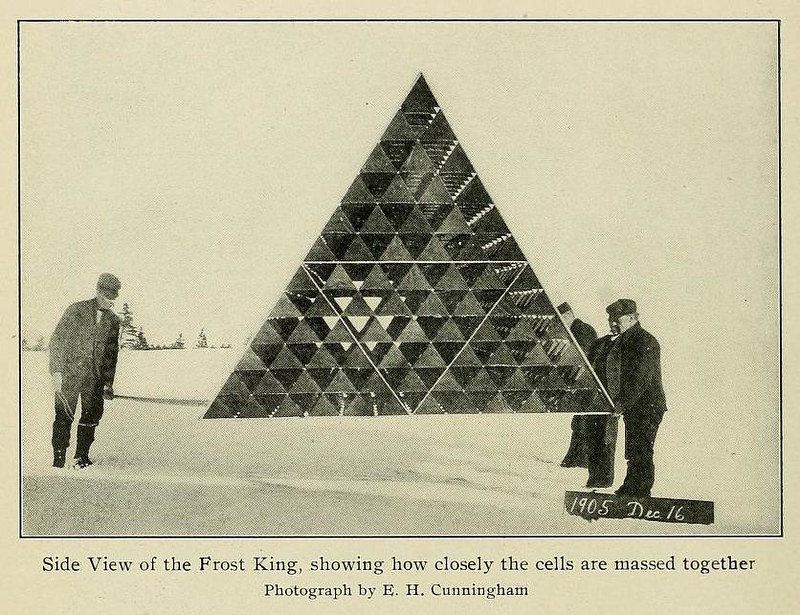
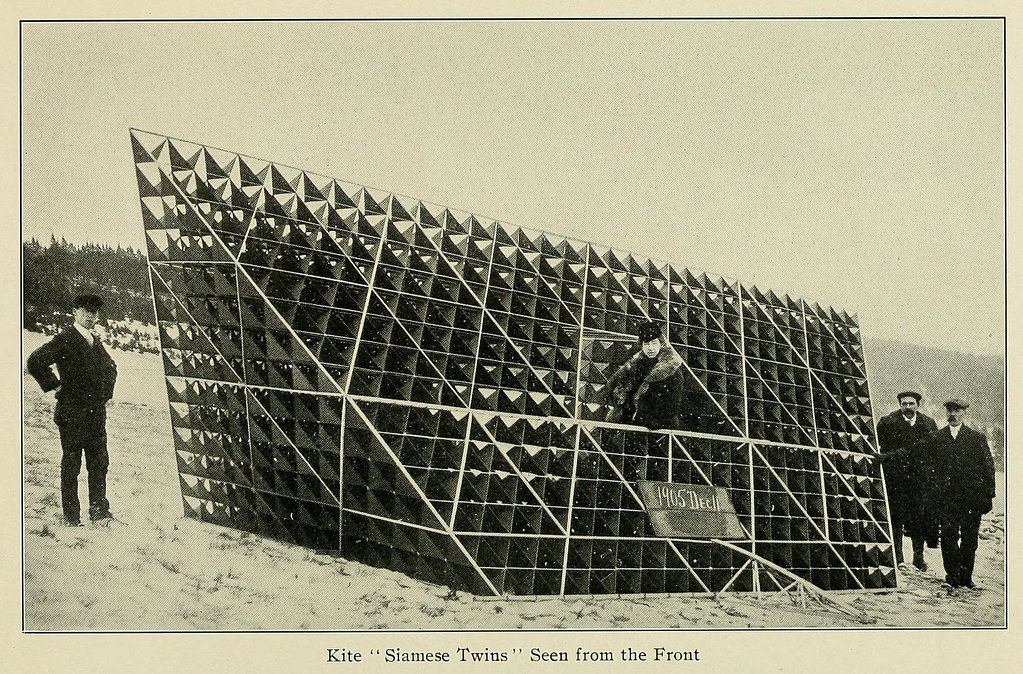
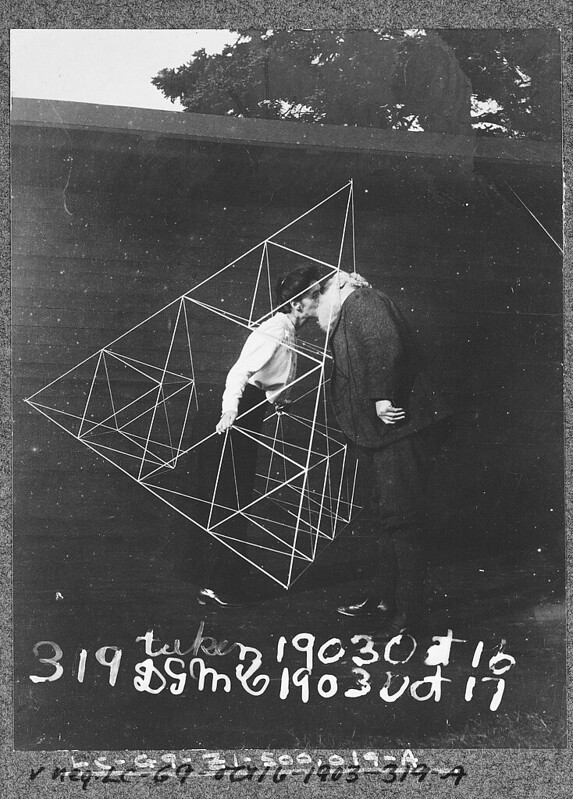
Bell began his experiments with tetrahedral box kites in 1898, eventually developing elaborate structures comprised of multiple compound tetrahedral kites covered in maroon silk, constructed with the aim of being to carry a human through the air. Named Cygnet I, II, and III (for they took off from water) these enormous tetrahedral beings were flown both unmanned and manned during a five year period from 1907 until 1912.



(via Publicdomainreview)


